
 Nosotros
 ¿Por qué elegir K12?
 Necesidades de seguridad
 Cómo triunfan los alumnos
 Preguntas frecuentes
 Escuela primaria en línea
 Escuela intermedia en línea
 Preparación para la profesión y la universidad
 Escuela secundaria en línea
 Clubes de estudiantes
 Servicios profesionales y universitarios
 Dentro del aula en línea
 El día a día
 Social y extracurricular
 Consejos, asesoramiento e inspiración
 Beneficios de por vida
 Inscribirse
 Todas las opciones de escuelas
 ¿Necesitas más ayuda?
Online school curriculum isn’t just about what students learn—it’s about how learning builds from one grade level to the next. From early reading skills to advanced coursework, each academic stage is designed to prepare students for increasing independence, deeper thinking, and future goals. As you begin the online learning journey with your child, your parental support and understanding are critical to your child’s success.
How Online School Curriculum Aligns with National Standards
Online schools follow the same academic standards as traditional schools. Accredited online programs align their curriculum with state standards, ensuring students receive education that meets established benchmarks.
Accreditation bodies like Cognia evaluate online schools to confirm they deliver high-quality instruction. These organizations review curriculum quality, teacher qualifications, and student support to ensure the programs meet established standards. Schools must demonstrate that their educational programs prepare students for college and career success.
Credits earned at accredited online schools transfer smoothly to other schools and are recognized by colleges nationwide. This means your child's transcript will be respected whether they continue in online education or transition to a traditional school. The curriculum is designed to prepare students for standardized tests, college admissions, and future academic challenges just like any quality brick-and-mortar school.
How Learning Develops in Elementary School (Grades K–5)

Elementary school is where students build the foundation for all future learning, progressing from early skill development in kindergarten to more independent thinking by 5th grade. In the early years, learning focuses on developing essential skills like reading, basic math, and communication. As students advance through each grade, they begin applying those skills in more complex ways by analyzing information, solving multi-step problems, and expressing their ideas with greater clarity. Online elementary programs support this progression by combining structured lessons with interactive activities, helping students build confidence while developing the independence they'll need in later grades.
How Foundational Skills Grow Across Elementary Grades
In early grades, students begin with close teacher guidance. They learn to follow instructions and develop basic habits. As they move through the grades, they gradually gain independence by setting small goals, managing tasks, and reflecting on their progress. By 5th grade, students are encouraged to collaborate with peers, solve problems creatively, and take more ownership of their learning journey.
How Enrichment Supports Whole-Child Development
Enrichment activities introduce young students to creative outlets, like art and music, and foster self-expression. As students grow, enrichment options expand to encourage teamwork, leadership in clubs, and personal interest exploration. By the end of elementary school, these experiences help students strengthen empathy and a sense of curiosity that supports their overall development.
How Learning Evolves in Middle School (Grades 6–8)
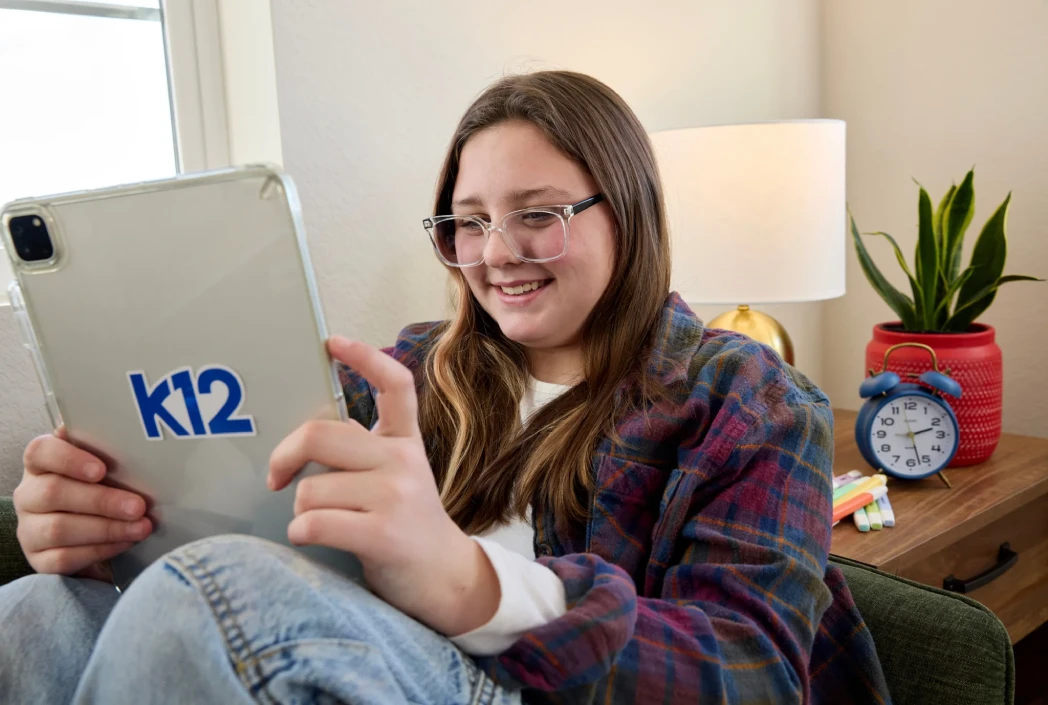
Middle school marks a shift from guided learning to greater independence as students begin taking more ownership of their academic work and daily responsibilities. During these years, expectations increase across all areas of learning. Students are asked to think more critically, manage more assignments, and apply their knowledge in more complex ways. At the same time, they begin developing the organizational and study habits needed to succeed in high school.
Online middle school programs support this transition by combining structured instruction with opportunities for independent work, helping students build confidence while adjusting to increased academic expectations. In many online programs, you play an active role in supporting this daily learning structure as your child's Learning Coach.
How Students Transition to Independent Thinking
In middle school, students move beyond foundational learning and begin developing stronger critical thinking and problem-solving skills. They are expected to analyze information, evaluate perspectives, and support their ideas with evidence. Assignments become more complex, often requiring multi-step thinking and deeper analysis. Students also begin managing their time, completing assignments independently, and tracking their own progress. This shift helps students build self-direction skills required in high school where they will be expected to take even greater ownership of their learning.
How Exploration and Responsibility Expand in Middle School
As students become more academically independent, they will have more opportunities to explore their interests and take on new responsibilities. Middle school is often a time when students begin discovering their strengths, whether through creative activities, technology, or new subject areas.
These experiences help students develop a stronger sense of identity and direction. At the same time, students learn to manage schedules, balance multiple assignments, and complete longer, more complex projects. This combination of exploration and accountability helps prepare them for the academic and personal demands of high school.
How Students Prepare for Life After High School (Grades 9–12)

High school is a time when learning becomes more personalized, goal-oriented, and directly connected to a student's future plans. As students move through grades 9-12, they are expected to take greater ownership of their education and make decisions about their coursework. They learn to manage increasingly complex responsibilities and prepare for life beyond graduation. Whether students are planning for college, career pathways, or other opportunities, high school learning is designed to help them build the knowledge and skills for what comes next.
How Students Take Ownership of Their Academic Path
In high school, students play a more active role in shaping their education. They begin making choices about the courses they take and how they structure their academic experience. But along with increased choices comes greater responsibility.
Students are expected to manage their time effectively, balance multiple priorities, and be accountable for long-term assignments and goals. Teachers continue to provide support, but the focus shifts toward helping students become more self-directed learners. As students take on more responsibility, having access to the right tools and study resources can help them stay organized. This growing independence helps students build essential life skills, including decision-making and time management that are critical for success after graduation.
How High School Learning Connects to Future Goals
As students progress through high school, their learning becomes more closely aligned with their future aspirations. Many students begin exploring potential career interests. They begin to identify their unique strengths and set goals for what they want to pursue after graduation.
Learning experiences often become more purposeful, helping students connect what they're studying to real-world applications. Whether students are preparing for higher education, entering the workforce, or exploring specialized pathways, high school provides opportunities to build relevant skills and gain a clear understanding about their next steps.
Online School Offers Comprehensive, Standards-Based Education
Understanding how students progress through each stage can help you better support your child's academic journey. From building foundational skills in elementary school to preparing for college and careers in high school, online school curriculum is designed to grow with your child. Each grade level builds on the last, helping students develop knowledge, confidence, and independence over time.
If you’re exploring whether online school is the right fit for your family, check out our Grade-by-Grade Curriculum Overview.
Visit K12, a Cognia-accredited online school to learn more about how to enroll your child. We look forward to your visit!